S3E6: Foraging
You can listen to this and other episodes on Spotify | Apple | Google Podcasts
Follow this link for a transcript of this episode
Co-Hosts: Sara Blaylock and Lutz Koepnick
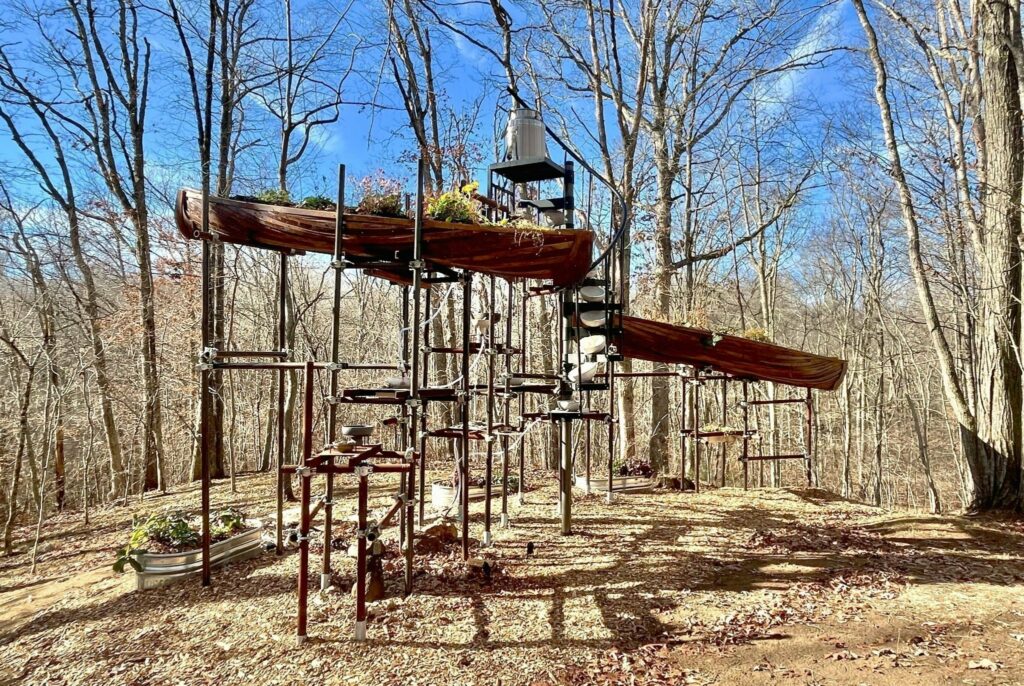
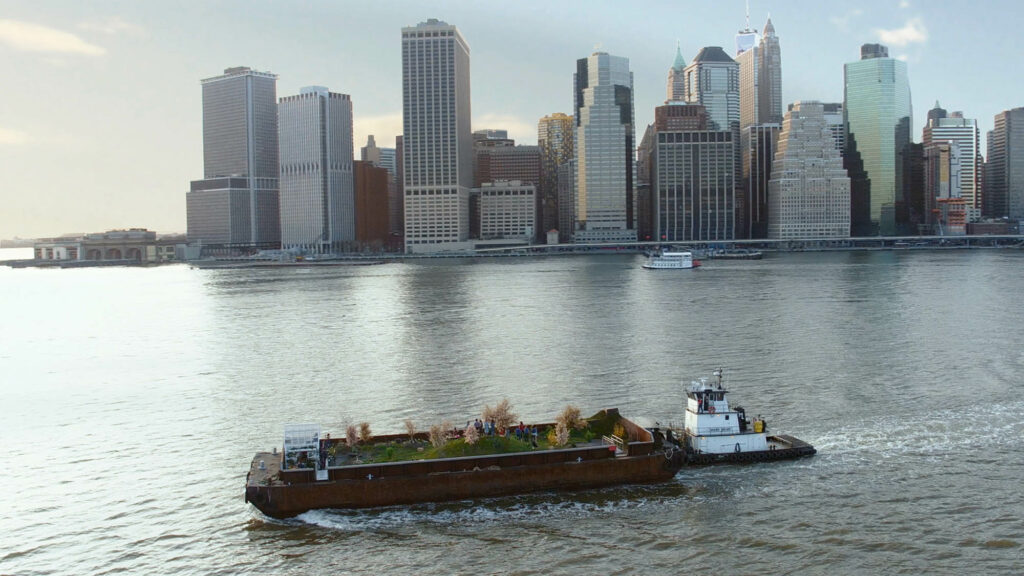
In this episode, we speak with New York–based artist Mary Mattingly about her work, including Swale, a floating food forest where people can freely gather berries, herbs, and other edible plants in a shared public space. Mary reflects on the practice of foraging, her projects exploring time and the materials that make art possible, and what plants, water, and soil can teach us. Co-hosts Sara Blaylock and Lutz Koepnick also speak with artists, critics, curators, and chefs about how foraging can inspire new approaches to art and challenge extractive ways of thinking.
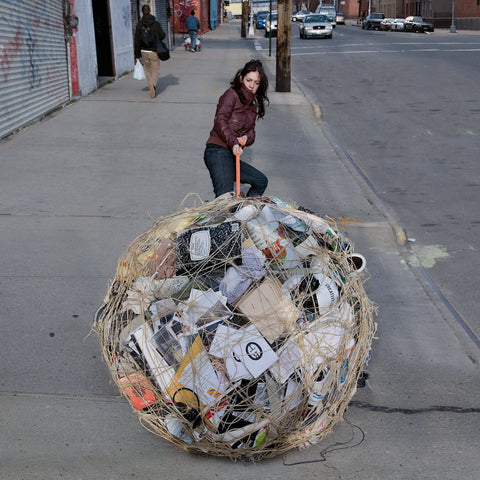
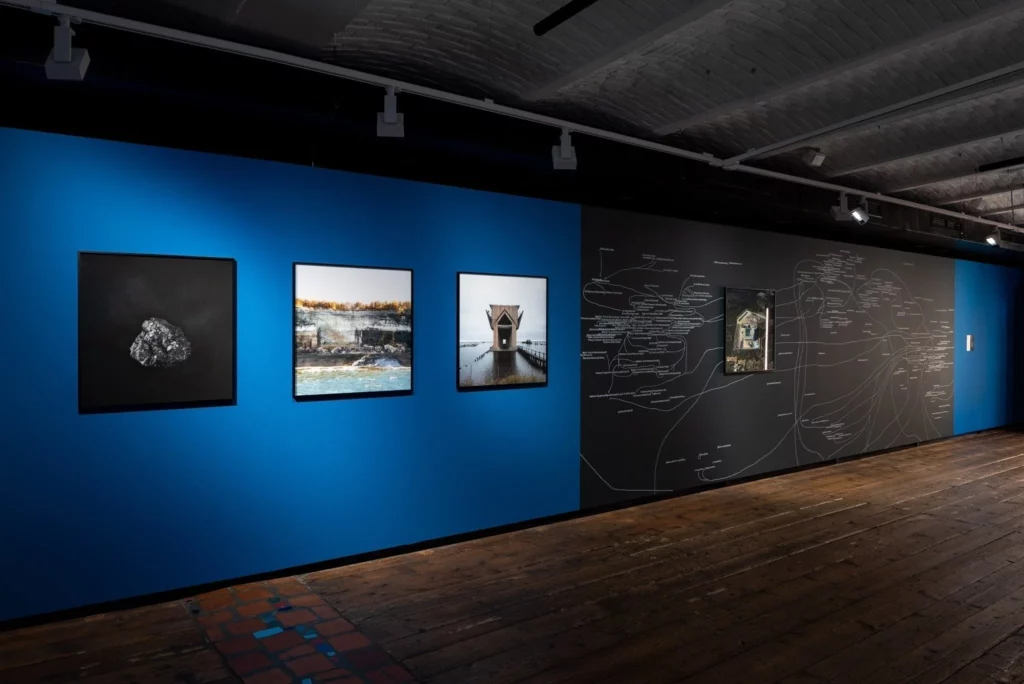
To find out more about Mary Mattingly, visit https://marymattingly.com/
Click this link for a bio of guest co-host Sara Blaylock, a professor of art history from the University of Minnesota Duluth.
Interviewed participants at the Liverpool workshop on “Speculative Methods for Retrieving Lost Futures” include:
For more on BOARC, the artistic research center and former observatory which hosted this workshop, please follow this link.
Books and essays mentioned in this episode:
- Anna Lowenhaupt Tsing: The Mushroom at the End of the World: On the Possibility of Life in Capitalist Ruins
- James C. Scott: Against the Grain: A Deep History of the Earliest States
Videos about Mary Mattingly quoted in this episode:
- Swale on BBC News (2016): https://www.youtube.com/watch?v=QCLLEq7yQYM
- Floating a Public Food Forest (2017): https://vimeo.com/215054590
- UM Humanities Film about Mary Mattingly (2017): https://vimeo.com/193425757
- In Conversation with Artist Mary Mattingly (2024): https://www.youtube.com/watch?v=2wWUw9jikZw